How to Choose a Barcelona City Tour That Fits Your Plans
Choosing a barcelona city tour is less about finding the longest route and more about matching the format to your time, interests and pace. Barcelona rewards slow looking. A plaza that seems ordinary from a bus window can turn into a story once you stop nearby, while a famous landmark can feel rushed if you arrive at the wrong hour. Start with the practical shape of your visit, then narrow the options.
Start with the time you actually have
Work backwards from the free time in your schedule, not from the tour name. A half day suits a first look at the old centre or a short circuit of major sights. A full day gives room for a slower walking route, a long lunch and one pre-booked interior visit. If your stay is short, avoid stacking too many separate tickets into one afternoon. Travel between neighbourhoods, queueing and simple breaks all take time.
Check the start point and finish point before anything else. A tour that ends near your hotel, station or next stop saves energy, especially after a hot afternoon. If the route begins in one district and ends in another, make sure the transfer is simple. For early starts, confirm where to meet and how to get there without cutting it fine.
Also think about the rhythm of the day. Outdoor sightseeing is more comfortable when the morning is used for open streets and the hotter hours allow for a café stop or an indoor visit. If your only free window is late afternoon, choose a format with fewer stops and clear timing rather than a dense route that depends on everything running perfectly.
Decide what kind of sightseeing you enjoy
Some visitors want a broad introduction, with the main streets and landmarks connected by a clear route. Others prefer a guided walking tour that focuses on history, architecture, food or neighbourhood detail. Both can work well, but they ask different things of you. A bus format reduces walking and gives easy access to scattered sights. A walking format gives more time in shaded lanes and more chance to notice details, but it needs comfortable shoes and a realistic pace.
If you are choosing a hop-on hop-off service, look at the route map and stop spacing rather than the number of stops. The useful question is whether the stops sit close to the places you care about. A long loop with frequent vehicles is helpful for flexible planning. A shorter loop can be easier to understand, but it may leave awkward gaps. Check whether tickets are valid for one day or more, and whether the last departure fits your evening plans.
For a guided walking tour, check the size of the group and the level of commentary. A small group makes questions easier and moves more smoothly through busy streets. A larger group can still be good value in terms of atmosphere, but it may be harder to hear near crowded sites. Ask what is included in the route, and what is only viewed from outside. That distinction matters at places where entry requires a separate ticket or a fixed time slot.
Pick a few anchors, not a wish list
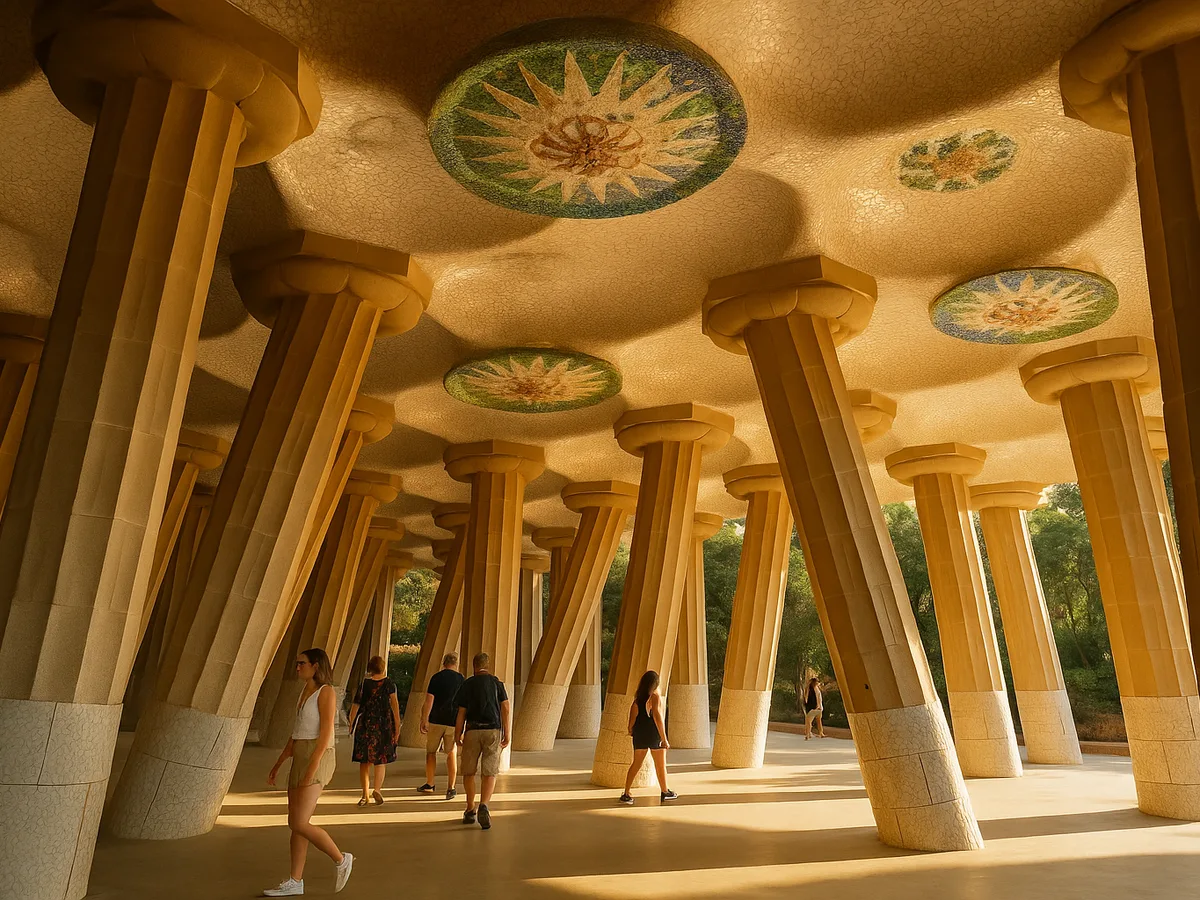
A strong city route usually has two or three anchors. For a first visit, la sagrada familia and park güell often shape the day because they draw people across the city and need careful timing. The gothic quarter and barcelona cathedral work well together on foot, with narrow streets and older buildings close at hand. las ramblas can be added as a short pass-through rather than a long stop, especially when the streets are busy.
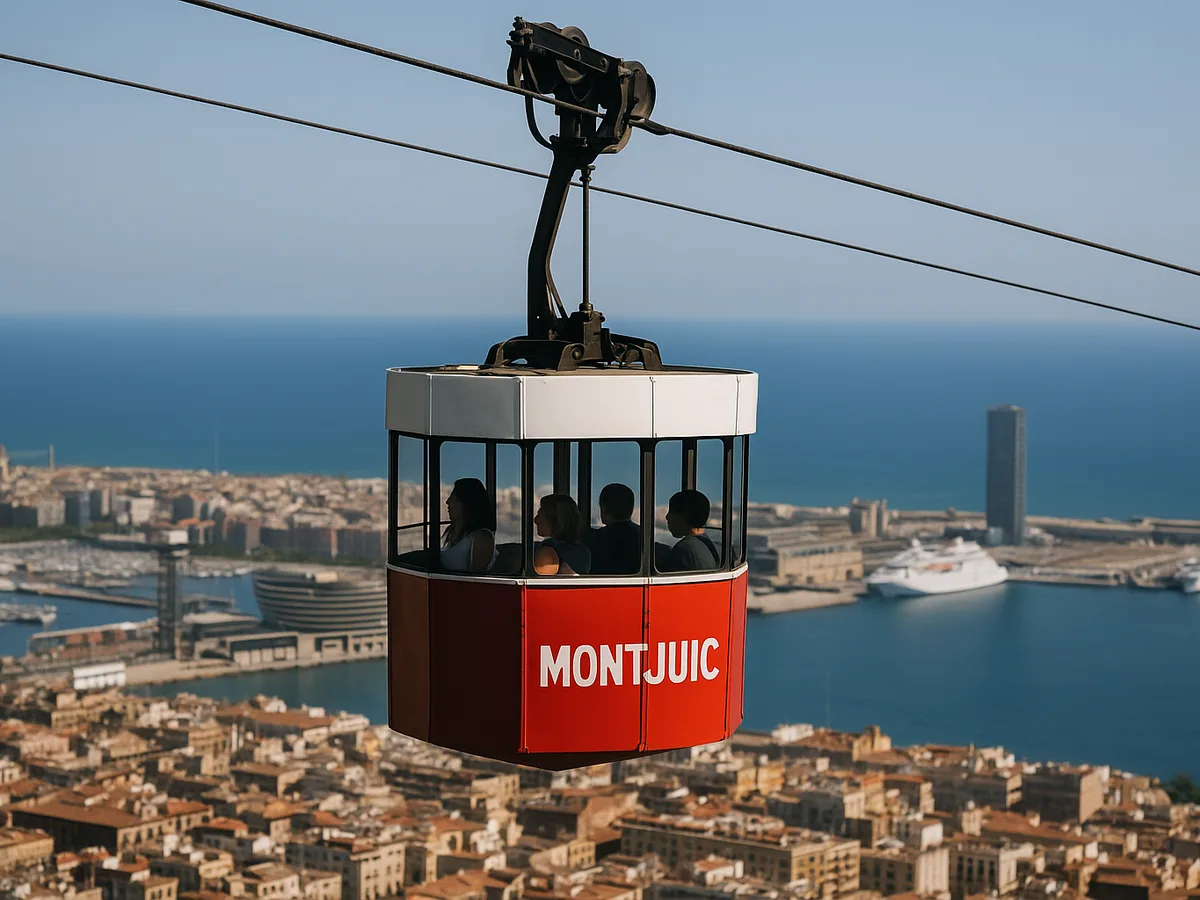
Montjuic suits a different kind of day. It works best when you want open views, gardens and a change of pace from the centre. It can be combined with other stops, but it should not be squeezed into a tight route with several interior visits. The hillside adds movement to the day, and the time spent getting between areas should be treated as part of the plan.
Once the anchors are chosen, cut anything that sits far away or repeats the same experience. Three neighbourhoods with short walks are usually more memorable than eight quick photo stops. If the tour includes a landmark you have already seen in depth, remove it and leave room for something quieter. A good plan leaves small gaps for pauses, street views and unplanned discoveries.
Read the route details carefully
Descriptions often sound generous, so translate them into actual stops and minutes. Look for wording such as outside visit, photo stop, free time and entry included. These terms are not interchangeable. An outside visit may mean a few minutes at the gate. Free time might be long enough for a coffee but not for a museum. Entry included may still require a timed reservation or a specific meeting arrangement.
Check language options before booking, particularly for a guided format. A clear commentary in a language you understand changes the value of the whole day. If the tour runs in more than one language, ask how that works on the route. Split commentary can reduce the time spent at each stop, and it may affect how much detail is given.
Accessibility deserves the same attention. Walking routes may include cobbles, slopes, stairs and crowded pavements. Bus routes still involve boarding, standing and walking between stops. If anyone in the group needs a slower pace or step-free access, confirm the route in advance rather than assuming. Ask where rest stops happen and whether there is time to sit down.
Match the tour to the season and the group
Summer brings longer daylight and fuller streets. Early starts can be pleasant, but popular areas become crowded later in the day. In cooler months, shorter daylight makes the order of stops more important. Indoor visits and warm breaks gain value, while open viewpoints may feel less appealing in wind or rain. A flexible route with clear shelter options is easier to adjust.
Group makeup matters too. A route with many stops can tire children and older travellers, even when each stop is interesting. A route with long commentary may suit adults who enjoy history but feel slow for people mainly looking for photographs. If preferences differ, choose a format with some independent time. That way, one part of the group can linger while another takes a shorter walk.
Solo travellers may prefer a social format, while couples and families may value quieter time together. Either way, check the meeting arrangements and what happens if someone arrives late. Clear rules reduce stress on the day. Keep contact details for the meeting point available, and agree as a group what to do if plans split.
Compare convenience with depth
Convenience can be worth more than a packed itinerary. A route that connects easily to your base, includes sensible breaks and finishes at a useful point will feel smoother than a route with famous names crammed together. Depth matters when the commentary is strong and the stops are given enough time. The best choice depends on whether you want an overview or a closer look at a few places.
This is also where barcelona day trips can enter the picture. If you want a wider break from the city, a day outside Barcelona serves a different purpose from an urban route and should not be squeezed into the same slot. Keep city sightseeing and outward travel as separate decisions, unless you have several days and enough energy for both.
For a city-focused day, check how the route handles food. Some formats include a tasting stop, others simply pass markets and cafés. A tasting stop adds character but can shorten sightseeing time. If meals are independent, book nothing too formal near the middle of the route. A light lunch nearby keeps the day moving and leaves room for a later meal.
Book with clear expectations
Before confirming, reread the inclusions, meeting point, duration, cancellation terms and any entry requirements. A short confirmation email or booking page should answer most practical questions. If it leaves you guessing about where to stand, when to arrive or what is covered, ask before paying. Clear information at the start prevents most day-of problems.
Check tickets for timed entry at major attractions, especially when the tour advertises an interior visit. Some places require a fixed slot, and a late arrival can affect the rest of the route. Keep digital copies accessible and carry a backup form of payment for small purchases. This is ordinary travel preparation, not a sign that anything will go wrong.
Weather can also change the balance of the day. A walking route may need a lighter layer in the morning and a rain cover later. Sun protection matters in open areas, while comfortable footwear matters almost everywhere. If a route includes uneven streets, choose shoes you can walk in for hours without thinking about them.
Make the final choice with a simple test
Imagine the day in order: waking up, reaching the meeting point, moving through the first stops, taking a break, handling the busiest part of the route and getting home or to the next plan. If any part feels strained, simplify. A barcelona city tour should help you understand the city, not turn the day into a race. Choose the version that fits your energy, leaves space for small pauses and covers the places that genuinely matter to you.
The right choice is usually the one that balances structure with breathing room. Pick your anchors, check the practical details, and be honest about pace. With those decisions made, the day is far more likely to feel easy, varied and worth remembering.